
IIFT International Business and Management Review Journal


1Vietnam Academy of Social Sciences, Dong Da, Hanoi, Vietnam
2Trade Union University, Dong Da, Hanoi, Vietnam
3Academy of Public Administration and Governance, Dong Da, Hanoi, Vietnam
Creative Commons Non Commercial CC BY-NC: This article is distributed under the terms of the Creative Commons Attribution-NonCommercial 4.0 License (http://www.creativecommons.org/licenses/by-nc/4.0/) which permits non-Commercial use, reproduction and distribution of the work without further permission provided the original work is attributed.
This study determines the key factors influencing Vietnamese consumers’ intentions to shop on Chinese cross-border e-commerce platforms. Through quantitative methods and survey data from 441 respondents in Hanoi, mainly young people, including students and office staff, the study identified four influencing factors: perceived usefulness, perceived ease of use, perceived safety and e-commerce platform factors. This research indicates that perceived safety has the most significant influence on Vietnamese consumers’ intention to purchase online on Chinese cross-border e-commerce platforms. This result also poses many problems for Vietnamese domestic businesses in exploiting the advantages that e-commerce brings and improving their competitiveness in the face of increasing competitive pressure from Chinese e-commerce platforms.
Cross-border, e-commerce, Chinese platforms, Vietnam, online shopping, consumer behavior
Introduction
Internet users have increased significantly from 2.95 billion to 5.56 billion in the last 10 years (from 2015 to 2025) (DataReportal, 2025; Statista, 2025). Similarly, 67.9% of the global population actively use the internet, while 63.9% engage with social media platforms. Hence, the internet environment plays an essential role as a platform for shifting the traditional market to a digital era. In addition, boosting internet technology opens a new online shopping source by quickly accessing information (Alharthey, 2020; Ramus & Asger Nielsen, 2005). To take advantage of e-commerce’s benefits and improve their competitiveness, businesses are trying to evaluate customers’ needs (Alharthey, 2020). As a result, businesses can help improve their performance efficiency and competitiveness when doing business online.
Furthermore, e-commerce plays an essential role in our daily lives. In which cross-border e-commerce has provided customers unprecedented access to products and services worldwide, especially on Chinese cross-border e-commerce platforms. China leads the Asia-Pacific market with technologically advanced platforms such as AliExpress and Temu, driving cross-border purchasing in neighbouring countries. Chinese e-commerce platforms bring various products at competitive prices, making them immensely attractive to other countries, including Vietnam. In addition, Vietnam is a neighbouring country of China, with growing bilateral trade, which is also a factor that promotes cross-border online shopping on Chinese platforms to become increasingly popular among Vietnamese consumers. For emerging economies like Vietnam, cross-border e-commerce platforms not only expand consumer choice but also introduce complex behavioural dynamics shaped by technology acceptance, perceived risks and digital trust. Therefore, determining the factors affecting Vietnamese customers’ cross-border shopping intentions on Chinese e-commerce platforms will bring many scientific and practical meanings.
Literature Review
Background
Theory of Planned Behaviour (TPB)
Regarding the TPB, the intention to perform a behaviour is formed by the interaction between personal beliefs, attitudes towards the behaviour and intentions to perform that behaviour. TPB is also applied to understand and predict how individuals are likely to act in specific contexts and environments. According to Ajzen (1991), two key elements of this theory are behavioural intentions and perceived control over actions. It was also recognised as an extension of the Theory of Reasoned Action (TRA). Subjective norms, attitudes and perceived behavioural control are the primary factors that influence customer decision-making. Accordingly, this theory is valuable for understanding consumer purchasing behaviour. For example, when customers intend to buy online for an electronic or technology device, they often focus on the product’s usefulness, ease of use and recommendations or feedback from friends or colleagues.
Technology Acceptance Model (TAM)
The TAM has discovered important factors, including perceived ease of use (PEOU) and perceived usefulness (PU), which impact users’ acceptance of the new technology (Davis, 1985). Moreover, Ajzen and Fishbein (1977) defined these terms as the level of a person’s belief that using a specific system is free of effort and the level of a person using a particular system to enhance their performance, respectively. In another way, the former one believes that a given application is practical or not, but they do not need as much effort as the others. In contrast, the latter is that people intending to use a new application/technology may help their jobs better Davis et.al., 1989. Furthermore, the development of TRA enhances the TAM. This model describes the components commonly accepted by computers. Many customers, especially young people, like to purchase online due to its convenience and simplicity in recent years (Feng & Ivanov, 2023; Nyrhinen et al., 2024; Ruiz-Herrera et al., 2023). Therefore, many manufacturers have used this model to enhance and optimise online shopping platforms for businesses in order to meet customers’ satisfaction, trust and frequency of purchases through understanding consumer adoption patterns.
Unified Theory of Acceptance and Use of Technology (UTAUT)
The UTAUT was a framework to explain and predict the acceptance of technology established by Venkatesh et al. (2003). This model indicated that the actual use of technology is based on behavioural intentions and is influenced by four major key factors: performance expectancy, effort expectancy, social influence and facilitating conditions (Marikyan & Papagiannidis, 2025; Wang et al., 2022). Furthermore, several factors (age, gender, experience and voluntariness of use) can influence these four major key factors differently (Venkatesh et al., 2003). Moreover, several extended researchers, such as Im et al. (2011), Riffai et al. (2012), Al-Gahtani et al. (2007) and Rençber (2020), introduced new contextual and moderating variables. In the actual context of the rapid development of technology, many prominent online markets such as Amazon, eBay, AliExpress and the like integrated elements of the UTAUT model into their e-commerce platforms in many aspects; for instance, choosing better products for marketing, making easy-to-use interfaces, putting user reviews and ratings, and improving secure transactions and delivery services. Hence, clients are familiar with new technologies and are willing to shop online frequently.
Stimulus-Organism-Response (S-O-R) Model
The S-O-R is a theoretical framework for investigating external factors simulating user behaviour response based on three essential elements: stimulus, organism and response (Huang, 2023; Jacoby, 2002). This framework can combine with other models, namely TPB, TAM and TRA, to predict individual user behaviour responses. Moreover, this framework can be applied to e-commerce (Lin et al., 2021), online shopping (Gong et al., 2023) and other aspects. For example, when a Vietnamese customer uses a Chinese e-commerce platform to purchase high-tech electronics. Suppose the website’s interface-friendly design (stimulus) creates good emotions and feelings of trust (organism), as well as promotional offers or positive reviews from other clients (stimuli). In that case, they can quickly purchase them (response). By applying this model in the context, enterprises can better understand how external stimuli in an e-commerce environment, like website design, product offers, positive reviews and the like, can impact customers’ purchasing decisions on Chinese e-commerce platforms.
Cross-border Online Shopping: An Emerging Trend
Cross-border online shopping or e-commerce has significantly altered the global trading method between enterprises and consumers (Pinson, 2025). E-commerce allows enterprises to sell their products and services both domestically and internationally. Cross-border e-commerce can develop in countries and regions with similar geographical and cultural characteristics. Cross-border e-commerce breaks traditional trading barriers between nations. It enhances world trade by creating a good place for merchants and customers to participate in global business-to-business and business-to-customers (Chen et al., 2022). Cross-border e-commerce platforms bring many benefits to businesses, such as reduced transaction costs, enhanced employee skills, improved consumer rights protection and the reinforcement of foreign trade service infrastructure (Liu, 2023). However, it also has disadvantages, such as network security, logistics costs, imbalance of export product structure (Liu, 2023), payment method, exchange rates and legal regulations (Channelengine, 2025).
China is a global leader in e-commerce in terms of technological innovation and volume. Indeed, China’s cross-border e-commerce trade volume was approximately $170.95 billion in the first half of 2024 (Calviño, 2024). In addition, according to Cross-border Commerce Europe (2024), AliExpress is the top global cross-border marketplace operating in Europe, with 90% of third-party sellers in China. Moreover, the promotion of technology adoption and the development of e-commerce platforms have helped China reshape the cross-border e-commerce landscape. This process results from the strong growth of Chinese cross-border e-commerce platforms (e.g., AliExpress, Temu and Shein). With technological advantages and low-cost products, Chinese cross-border e-commerce platforms are increasingly expanding their global markets and meeting the needs of consumers around the world (Hurricane, 2024). The global cross-border B2C e-commerce market is expected to reach $7.9 trillion by 2030 (Globe Newswire, 2023).
Factors Influencing Cross-border Online Shopping Intentions
Key factors influence cross-border e-commerce, such as PU, perceived safety (PS), PEOU and e-commerce platform factors (ECOM), especially in customers’ purchase decisions. The authors aim to understand how these factors affect Vietnamese customers’ desire to engage in cross-border e-commerce in the Chinese platform market.
Perceived Usefulness
In the TAM theory, PU and PEOU are the essential keys that significantly impact how consumers behave and use the product (Pratista & Marsasi, 2023). PU reflects the perception of the usefulness of new technology, that through the application of new technology, individuals can improve performance and achieve set goals (Wei et al., 2018). In other words, according to Wang et al. (2020), PU has a significant impact on the user’s intentions to use digital technologies. This factor is critical in cross-border e-commerce because it can build customer trust in the value of products on the e-commerce platform and encourage them to make international transactions based on reliable websites with various payment methods, designed products and efficient customer service.
Perceived Ease of Use
Likewise, PEOU is one of the important factors in the TAM theory. Moreover, this factor and PU formed the customers’ attitude towards using the computer system; however, this factor directly impacted PU but not vice versa (Henderson & Divett, 2003). In addition, in cross-border e-commerce, PEOU is related to an effective way of purchasing a product, including technology, price, quantity, quality and the like (Durgabhavani & Krishnan, 2019). For instance, according to Renny et al. (2013), customers were positive when they felt comfortable with online ticket services like faster ticket search engines, low effort and low cost. Customers will purchase airline tickets using online services.
Perceived Safety
On e-commerce platforms, anyone could be a potential trader, buyer or seller, and they can swap their roles; as a consequence, it creates broader awareness related to fraud, illicit trade, data privacy, secure payments, regulations and the like (World Customs Organization, 2022). Furthermore, consumers will face many risks, such as poor-quality products, payment issues, customs procedures, slow delivery and information security when they make transactions on cross-border e-commerce platforms (Jing & Yang, 2022). Hence, PS is an essential factor that directly influences a customer’s decision to purchase on cross-border e-commerce platforms. When shoppers use an e-commerce platform, they worry about their data being compromised due to a strange international platform. Therefore, when customers feel comfortable and safe on an e-commerce platform with high levels of security (e.g., encryption, secure payment methods, GDPR standards and two-factor authentication), they are more confident to purchase on that platform. For example, Amazon, eBay, Wish and AliExpress have products with safety guidelines in place and force sellers to follow local laws and safety standards to enhance product safety (SPEAC, 2020).
E-commerce Platform Factors
By doing business on e-commerce platforms, entrepreneurs can establish, manage and grow their businesses effectively, as well as customers who have many options and can purchase domestic and international products. Several factors influence the success of cross-border e-commerce, such as scalability and flexibility, user-friendly interface, mobile responsiveness, payment gateway integration, SEO-friendly features, integration with third-party apps and services (Erik & Giri, 2021), customer support and security, reviews and reputation, and the like (Yellowbrick, 2023). On the one hand, these factors help raise PU, PEOU and PS of e-commerce platforms. On the other hand, they better meet customer needs and improve the operational efficiency of online businesses (Wei et.al., 2018).
The Aim of the Study
This article focuses on determining the key factors influencing Vietnamese consumers’ intentions to shop on Chinese cross-border e-commerce platforms, focusing on PU, PEOU, PS and e-commerce platform. It applies integrated theoretical frameworks (TAM, UTAUT, S-O-R) to explain consumer behaviour and provide practical insights for businesses and policymakers.
Methodology
The authors used quantitative research methods to evaluate the influence of factors on Vietnamese consumers’ intentions to shop on Chinese cross-border e-commerce platforms. Based on the above fundamental theories, this article identifies four factors affecting the online shopping intention of Vietnamese consumers on Chinese cross-border e-commerce platforms: PU, PEOU, PS and ECOM.
To collect research data, the authors constructed a survey with a five-point Likert scale to examine online shopping behaviour and the factors influencing the online shopping intentions of Vietnamese consumers on Chinese cross-border e-commerce platforms. The research team conducted an online survey via Google Forms to collect data. As cross-border e-commerce is not yet popular among all consumers in Vietnam, this survey focuses only on Hanoi City, where the level of e-commerce usage and cross-border e-commerce is high. In addition, the subjects of this survey mainly focused on university students and office staff because they are two groups with high e-commerce usage levels and familiarity with Chinese platforms. They represent young urban consumers with higher technological access, making the research results representative and applicable. However, future research should be expanded to include other consumer groups and regions to increase generalisability.
The completed questionnaire was sent to 500 consumers in Hanoi from December 2024 to February 2025. After the data were cleaned, 441 respondents’ data were analysed by SPSS 26 software (Table 1).
Table 1. Variables Description.
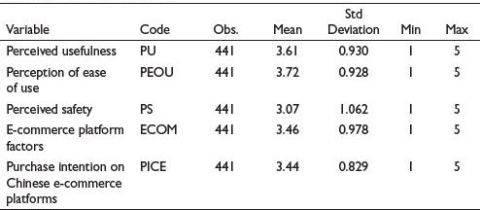
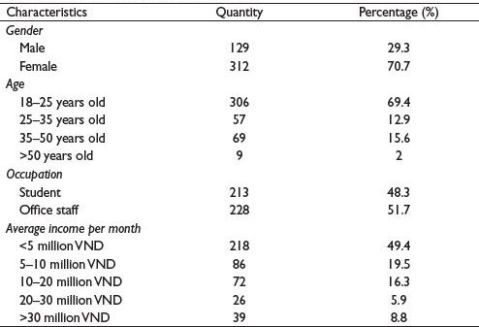
Table 2. Characteristics of Survey Participants.
Research Results
Sample Characteristics
Table 2 shows that among the 441 participants, 312 were female (70.7%) and 129 were male (29.3%). This shows that female consumers are more interested in shopping on cross-border e-commerce platforms than men. Regarding age, the majority of respondents—306 individuals, or roughly 70%—were between 18 and 25 years old. This shows that cross-border e-commerce platforms are becoming increasingly familiar to young Vietnamese consumers, as they can easily access new technologies and are willing to explore new technologies such as e-commerce platforms.
Regarding occupation, survey respondents were divided relatively evenly between students (48.3%) and office workers (51.7%). However, nearly half of the respondents (49.4%) had a monthly income of less than 5 million VND. This shows that Vietnamese consumers’ purchase intention is greatly influenced by the products’ price on Chinese cross-border e-commerce platforms. Besides, with the diversity and convenience, Chinese cross-border e-commerce platforms easily attract low-income consumers compared to Vietnamese e-commerce platforms.
Testing the Reliability of Scales
The Cronbach’s alpha test results, as presented in Table 3, indicate that all measurement scales exhibit satisfactory internal consistency (α > 0.7). Therefore, the factor scales influencing the purchase intention of Vietnamese consumers on Chinese e-commerce platforms meet the criteria for exploratory factor analysis (EFA).
Table 3. Cronbach’s Alpha Test.
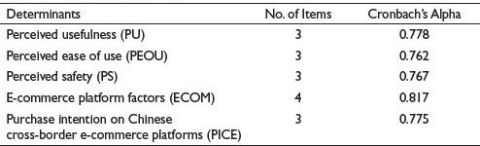
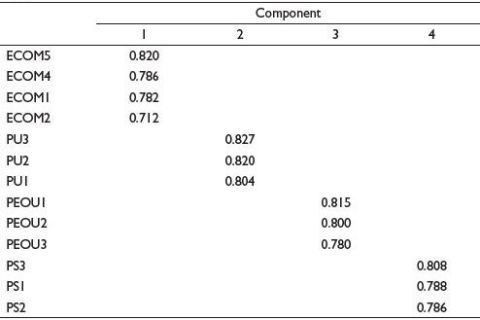
Table 4. Results of Exploratory Factor Analysis and Evaluation of the Reliability of the Scale.
Source: Results of data analysis through SPSS 26 of the authors.
Exploratory Factor Analysis
Regarding the independent variable, Table 4 indicates a Kaiser–Meyer–Olkin (KMO) value of 0.808, surpassing the commonly accepted threshold of 0.6. This result suggests that the data are appropriate for implementing EFA. Furthermore, Bartlett’s test of Sphericity produced a significance value of Sig. = 0.00 (<0.05), rejecting the null hypothesis (H0) of no correlation among variables and confirming the appropriateness of the data and the extracted factors.
After the first EFA, the observed ECOM3 with a loading factor of less than 0.5 was excluded from the model. The authors conducted a second-factor analysis with 13 indicators in the research model, showing four groups of factors extracted from the 14 indicators (Table 4). The data processing result for the value of eigenvalues = 1.306 > 1; therefore, the number of factors extracted is appropriate.
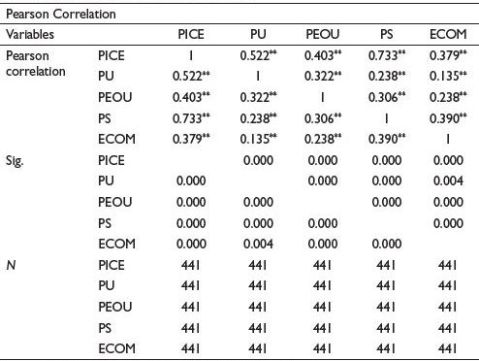
Table 5. Pearson Correlation Analysis Results.
Source: Results of data analysis through SPSS 26 of the authors.
Notes: **Significant at the 0.01 level (two-tailed). ECOM: E-commerce platform factors; PEOU: Perceived ease of use; PICE: Purchase intention on Chinese cross-border e-commerce platforms; PS: Perceived safety; PU: Perceived usefulness.
Data processing results show an eigenvalue of 1.306, which exceeds the threshold of 1, confirming that the number of extracted factors is appropriate. The factor analysis shows that total variance explained is 67.227% > 50%. This means that the extracted factors explain 67.227% of the observed variables included in the EFA.
For the dependent variable, the EFA results indicated that KMO = 0.698 > 0.5 and Sig. (Bartlett’s test) = 0.000 < 0.05. This indicates that the observed variables in the EFA are correlated.
Correlation Analysis
Table 5 presents correlations between the variables, with the strongest correlation between PS and purchase intention of Vietnamese consumers on Chinese cross-border e-commerce platforms (PICE).
Regression Analysis
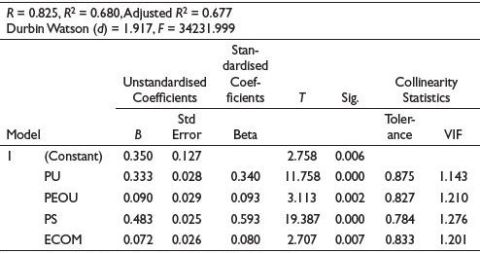
After removing unsuitable observations through Cronbach’s alpha testing and EFA, regression analysis was conducted to evaluate the factors influencing Vietnamese consumers’ purchase intentions on Chinese cross-border e-commerce platforms. With an adjusted R2 of 0.677 (Table 6), the analysis of variance
Table 6. Regressions.
Source: Results of data analysis through SPSS 26 of the authors.
Notes: Dependent Variable: Purchase intention on Chinese cross-border e-commerce platforms (PICE). Predictors: (Constant), Perceived usefulness (PU), Perceived ease of use (PEOU), Perceived safety (PS), E-commerce platform factors (ECOM). VIF: Variance inflation factor.
(ANOVA) results indicated an F-value of 231.999, statistically significant at p < .05, presenting a robust association between the independent and dependent variables. The Durbin–Watson value is 1.917, ranging from 1.5 to 2.5, so the regression results do not have first-order serial autocorrelation. This confirms the reliability of the research model.
Table 6 clearly demonstrates that among the key factors, PS has the strongest impact on Vietnamese consumers’ purchase intention on Chinese cross-border e-commerce platforms (β = 0.593, p < .001). This highlights consumers’ concerns when shopping on cross-border e-commerce platforms in emerging markets like Vietnam, that safety and security must be top priority. Vietnamese consumers also expressed concerns about product authenticity, payment security and seller reputation when engaging in cross-border online transactions. Due to the many issues related to fraud and account and personal data theft, safety is a major factor influencing consumers’ purchase intentions (Yi & Moon, 2024). Vietnam has an incomplete legal system related to consumers, especially online transactions. Vietnamese consumers typically depend on word-of-mouth recommendations, social media reviews and buyer-protection policies to mitigate transaction-related risks. Therefore, to effectively exploit the Vietnamese e-commerce market, cross-border e-commerce platforms, as well as domestic e-commerce platforms, need to implement solutions to improve transaction safety and consumer protection policies. In addition, relying on an informal assessment mechanism reflects Vietnamese consumers’ lack of trust in official protection mechanisms and state management agencies regarding e-commerce. For Vietnamese state management agencies, it is necessary to have a legal framework to protect consumers who buy goods across borders, control the quality of goods on e-commerce platforms and create trust in the market.
Moreover, these findings may add evidence to the S-O-R model. In the case of e-commerce, security-related features of e-commerce platforms are extrinsic factors that can stimulate consumers’ emotions and cognitions. This once again confirms that Vietnamese consumers put safety first when shopping online on cross-border e-commerce platforms.
PU is the second most important factor influencing Vietnamese consumers’ intention to shop on Chinese cross-border e-commerce platforms. This result shows that Vietnamese consumers highly value Chinese cross-border e-commerce platforms’ benefits, such as product diversity, competitive prices and fast delivery. On the other hand, this also shows that Vietnamese consumers’ behaviour and perception are quite pragmatic when shopping on e-commerce platforms. This result is similar to the TAM, highlighting that higher perceptions of benefits and usefulness strongly correlate with consumer intentions and behaviour. In addition, the current trend is that Vietnamese consumers are increasingly actively looking for products with good deals in both price and free shipping on Chinese cross-border e-commerce platforms compared to Vietnam’s e-commerce platforms. This competitive advantage comes from the fact that China’s cross-border e-commerce platforms sell a wide range of products; complete, up-to-date and attractive product information and images; fast, convenient and affordable delivery services, including providing a wide range of products, providing comprehensive and up-to-date product information, as well as providing affordable, fast and convenient shipping services.
Meanwhile, PEOU and ECOM positively impact Vietnamese customers’ intention to shop online on Chinese cross-border e-commerce platforms, but they have relatively minor impacts. They still meaningfully enhance the overall user experience. Vietnamese consumers, particularly younger segments such as students, prefer platforms featuring mobile-friendly interfaces, localised customer support and seamless payment integration. Consequently, Chinese cross-border e-commerce platforms that provide Vietnamese language support integrate local payment methods (e.g., MoMo and ZaloPay). The findings align with the Unified Theory of Acceptance and Use of Technology (UTAUT), which acknowledges that usability factors may interact with age, experience and context. Besides, the cooperation of Chinese cross-border e-commerce platforms with effective domestic logistics service providers (e.g., Giaohangnhanh, Giaohangtietkiem, Viettelpost) will help these platforms reach Vietnamese consumers more efficiently. In addition, recognising these demographic statistics’ high level of technical literacy, Chinese e-commerce companies implemented the target marketing strategy through public social networks, customised advertising campaigns and brand positioning for young Vietnamese consumers.
Furthermore, the research results also show that the success of cross-border e-commerce platforms in accessing markets depends not only on the products but also on the localisation strategy. As Vietnamese consumers, especially young ones, become more experienced across various e-commerce platforms, their online shopping intentions go beyond tangible benefits to include expectations of customer support, data privacy and after-sales service. Therefore, in today’s context of rapid technological development, e-commerce platforms’ competitive advantage depends on balancing the provision of tangible and intangible benefits and the preferences and trust of local consumers.
Conclusions
This study points out that Vietnamese customers intend to purchase across the border on Chinese e-commerce platforms, which is affected by PU, PEOU, PS and ECOM. The results of this study affirm the dominant role of PS factors on consumers’ online shopping intentions on cross-border e-commerce platforms. This study also highlights many problems in the Vietnamese e-commerce market in the coming time. The first is the competition and invasion of the Vietnamese e-commerce market by cross-border e-commerce platforms, such as Chinese cross-border e-commerce platforms. Second, the increasing number of consumers shopping through cross-border e-commerce platforms in China poses many challenges for e-commerce and domestic Vietnamese businesses operating on Vietnamese platforms. This is to improve the ability to meet the needs of Vietnamese consumers in terms of safety, usefulness, ease of use, ECOM, and integrating other platforms for transportation and payment conveniently and smartly. Third, this result opens up strategic adjustments for domestic and foreign e-commerce businesses when approaching consumers in emerging markets. Future research could expand to other demographic groups or regions to validate these findings further and enhance the generalisability of the results.
Authors’ Contributions
Conceptualisation, Do Ta Khanh and Dang Thai Binh; methodology, Dang Thai Binh and Nguyen Manh Thang; validation, Do Ta Khanh; formal analysis, Dang Thai Binh; investigation, Nguyen Manh Thang and Cao Anh Thinh; resources, Cao Anh Thinh; data curation, Nguyen Manh Thang and Cao Anh Thinh; writing – original draft preparation, Dang Thai Binh; writing – review and editing, Do Ta Khanh and Nguyen Manh Thang; supervision, Nguyen Manh Thang; project administration, Do Ta Khanh; funding acquisition, Do Ta Khanh.
Declaration of Conflicting Interests
The authors declared no potential conflicts of interest with respect to the research, authorship and/or publication of this article.
Funding
The author(s) disclosed receipt of the following financial support for the research, authorship, and/or publication of this article: This article is produced within a ministry-level research project entitled ‘International Experiences on Socio-economic Development and Securing National Defence and Security in the Land Border Regions’, under the key ministry-level program ‘Comprehensive Research on Vietnam’s Land Borders Contributing to Socio-economic Development and Security and Political Stability under the Current Conditions’, funded by the Vietnam Academy of Social Sciences.
Ajzen, I. (1991). The theory of planned behavior. Organizational Behavior and Human Decision Processes, 50(2), 179–211. https://doi.org/10.1016/0749-5978(91)90020-t
Ajzen, I., & Fishbein, M. (1977). Attitude-behavior relations: A theoretical analysis and review of empirical research. Psychological Bulletin, 84(5), 888–918. https://doi.org/10.1037//0033-2909.84.5.888
Al-Gahtani, S. S., Hubona, G. S., & Wang, J. (2007). Information technology (IT) in Saudi Arabia: Culture and the acceptance and use of IT. Information & Management, 44(8), 681–691. https://doi.org/10.1016/j.im.2007.09.002
Alharthey, B. (2020). The role of online trust in forming online shopping intentions. International Journal of Online Marketing (IJOM), 10(1), 32–57. https://doi.org/10.4018/ijom.2020010103
Calviño, F. (2024). The current state of e-commerce import/export balance between China and the USA. https://cross-border-magazine.com/import-export-balance-between-china-and-the-usa/
Channelengine. (2025). Cross-border ecommerce: The ultimate guide. https://www.channelengine.com/cross-border-ecommerce
Chen, Y., Li, M., Song, J., Ma, X., Jiang, Y., Wu, S., & Chen, G. L. (2022). A study of cross-border e-commerce research trends: Based on knowledge mapping and literature analysis. Frontiers in Psychology, 13, 1009216. https://doi.org/10.3389/fpsyg.2022.1009216
Cross-border Commerce Europe. (2024). Top 100 cross-border marketplaces Europe 2023. https://www.cbcommerce.eu/blog/2023/10/12/top-100-cross-border-marketplaces-europe-2023/
DataReportal. (2025). Digital around the world. https://datareportal.com/global-digital-overview
Davis, F. D. (1985). A technology acceptance model for empirically testing new end-user information systems: Theory and results [Doctoral dissertation, Massachusetts Institute of Technology]. https://doi.org/10.2307/249008
Davis, F. D. (1989). Perceived usefulness, perceived ease of use, and user acceptance of information technology. MIS Quarterly, 13(3), 319–340. https://doi.org/10.1287/mnsc.35.8.982
Davis, F. D., Bagozzi, R. P., & Warshaw, P. R. (1989). User acceptance of computer technology: A comparison of two theoretical models. Management Science, 35(8), 982–1003. https://doi.org/10.1287/mnsc.35.8.982
Durgabhavani, K., & Krishnan, A. R. (2019). Perceived usefulness and its impact on online shopping. Human Resource Management, 10(1), 34–39. https://doi.org/10.34218/ijmhrm.10.2.2019.004
Erik, L., & Giri, D. (2021). Five factors for a winning e-commerce strategy. https://www.ey.com/en_gl/alliances/five-factors-for-a-winning-e-commerce-strategy
Feng, R., & Ivanov, A. (2023). Does a generational gap exist in online shopping attitudes? A comparison of Chinese consumer generations from the media system dependency perspective. Telematics and Informatics Reports, 12, 100106. https://doi.org/10.1016/j.teler.2023.100106
Globe Newswire. (2023). Cross-Border B2C e-commerce market size & share will attain USD 7938.01 billion by 2030 growing at 26.19% CAGR—Exclusive report by Facts & Factors. https://www.globenewswire.com/en/news-release/2023/01/30/2597589/0/en/Cross-Border-B2C-E-Commerce-Market-Size-Share-Will-Attain-USD-7938-01-Billion-by-2030-Growing-at-26-19-CAGR-Exclusive-Report-by-Facts-Factors.html
Gong, J., Said, F., Ting, H., Firdaus, A., Aksar, I. A., & Xu, J. (2023). Do privacy stress and brand trust still matter? Implications on continuous online purchasing intention in China. Current Psychology, 42(18), 15515–15527. https://doi.org/10.1007/s12144-022-02857-x
Henderson, R., & Divett, M. J. (2003). Perceived usefulness, ease of use and electronic supermarket use. International Journal of Human-Computer Studies, 59(3), 383–395. https://doi.org/10.1016/s1071-5819(03)00079-x
Huang, T. (2023). Using SOR framework to explore the driving factors of older adults smartphone use behavior. Humanities and Social Sciences Communications, 10(1), 1–16. https://doi.org/10.1057/s41599-023-02221-9
Hurricane. (2024). The current state of cross-border ecommerce. https://hurricanecommerce.com/the-current-state-of-cross-border-ecommerce/
Im, I., Hong, S., & Kang, M. S. (2011). An international comparison of technology adoption: Testing the UTAUT model. Information & Management, 48(1), 1–8.
Jacoby, J. (2002). Stimulus-organism-response reconsidered: An evolutionary step in modeling (consumer) behavior. Journal of Consumer Psychology, 12(1), 51–57. https://doi.org/10.1207/s15327663jcp1201_05
Jing, Y., & Yang, P. (2022). Research on the risk prevention of cross-border e-commerce logistics in China by applying big data technology. Procedia Computer Science, 208, 407–413. https://doi.org/10.1016/j.procs.2022.10.057
Lin, J., Li, T., & Guo, J. (2021). Factors influencing consumers’ continuous purchase intention on fresh food e-commerce platforms: An organic foods-centric empirical investigation. Electronic Commerce Research and Applications, 50, 101103. https://doi.org/10.1016/j.elerap.2021.101103
Liu, Z. (2023). Analysis of advantages and disadvantages of cross-border e-commerce in international economy and trade. In Proceedings of the 8th International Conference on Financial Innovation and Economic Development (ICFIED 2023) (pp. 401–411). Atlantis Press. https://doi.org/10.2991/978-94-6463-142-5_45
Marikyan, D., & Papagiannidis, S. (2025). Unified theory of acceptance and use of technology: A review. In S. Papagiannidis (Ed.), TheoryHub Book. https://open.ncl.ac.uk / ISBN: 9781739604400
Nyrhinen, J., Sirola, A., Koskelainen, T., Munnukka, J., & Wilska, T. A. (2024). Online antecedents for young consumers’ impulse buying behavior. Computers in Human Behavior, 153, 108129. https://doi.org/10.1016/j.chb.2023.108129
Pinson, N. (2025). Cross-border e-commerce trends: Insights into emerging markets and consumer behaviour. https://www.iweb.co.uk/2024/04/cross-border-e-commerce-trends-insights-into-emerging-markets-and-consumer-behaviour/
Pratista, N. D., & Marsasi, E. G. (2023). Effects of perceived usefulness and perceived ease of use for driving purchase intention. Jurnal Ekonomi, 28(3), 488–509. https://doi.org/10.24912/je.v28i3.1940
Ramus, K., & Asger Nielsen, N. (2005). Online grocery retailing: What do consumers think? Internet Research, 15(3), 335–352. https://doi.org/10.1108/10662240510602726
Renny, Guritno, S., & Siringoringo, H. (2013). Perceived usefulness, ease of use, and attitude towards online shopping usefulness towards online airlines ticket purchase. Procedia-Social and Behavioral Sciences, 81(2013), 212-216. https://doi.org/10.1016/j.sbspro.2013.06.415
Riffai, M. M. M. A., Grant, K., & Edgar, D. (2012). Big TAM in Oman: Exploring the promise of online banking, its adoption by customers and the challenges of banking in Oman. International Journal of Information Management, 32(3), 239–250. https://doi.org/10.1016/j.ijinfomgt.2011.11.007
Ruiz-Herrera, L. G., Valencia-Arias, A., Gallegos, A., Benjumea-Arias, M., & Flores-Siapo, E. (2023). Technology acceptance factors of e-commerce among young people: An integration of the technology acceptance model and theory of planned behavior. Heliyon, 9(6), e16418. https://doi.org/10.1016/j.heliyon.2023.e16418
SPEAC. (2020). How e-commerce platforms can contribute to product safety. European Union. https://speac-project.eu/wp-content/uploads/2020/11/01c3-SPEAC-STUDY-How-E-Commerce-Platforms-Can-Contribute-toProduct-Safety-FINAL.pdf
Statista. (2025). Number of internet and social media users worldwide as of February 2025. https://www.statista.com/statistics/617136/digital-population-worldwide/
Venkatesh, V., Morris, M. G., Davis, G. B., & Davis, F. D. (2003). User acceptance of information technology: Towards a unified view. MIS Quarterly, 27(3), 425–478. https://doi.org/10.2307/30036540
Wang, J., Shahzad, F., Ahmad, Z., Abdullah, M., & Hassan, N. M. (2022). Trust and consumers’ purchase intention in a social commerce platform: A meta-analytic approach. Sage Open, 12(2). https://doi.org/10.1177/21582440221091262
Wang, Y., Wang, S., Wang, J., Wei, J., & Wang, C. (2020). An empirical study of consumers’ intention to use ride-sharing services: Using an extended technology acceptance model. Transportation, 47, 397–415. https://doi.org/10.1007/s11116-018-9893-4
Wei, Y., Wang, C., Zhu, S., Xue, H., & Chen, F. (2018). Online purchase intention of fruits: Antecedents in an integrated model based on technology acceptance model and perceived risk theory. Frontiers in Psychology, 9, 1521. https://doi.org/10.3389/fpsyg.2018.01521
World Customs Organization. (2018). WCO framework of standards on cross-border e-commerce. https://www.wcoomd.org/-/media/wco/public/global/pdf/topics/facilitation/activities-and-programmes/ecommerce/wco-framework-of-standards-on-crossborder-ecommerce_en.pdf
Yellowbrick. (2023). Evaluating e-commerce platforms: Key factors to consider. https://www.yellowbrick.co/blog/ecommerce/evaluating-e-commerce-platforms-key-factors-to-consider
Yi, J., Yi, J., & Moon, J. (2024). Secure and transparent craftwork authentication and transaction system: Integrating Digital fingerprinting and blockchain technologies. Applied Sciences, 14(19), 9054. https://doi.org/10.3390/app14199054
